
RFID vehicle gate and weighbridge management
Nine independent modules covering the logistics that happen inside your fence: vehicle booking, gate control, load identification, weighbridge automation, yard control, quality release, audit records, reporting and integration. You take the modules you need and configure them to the way your own site works.
The international names for this group of functions: yard management system, gate automation and weighbridge automation.
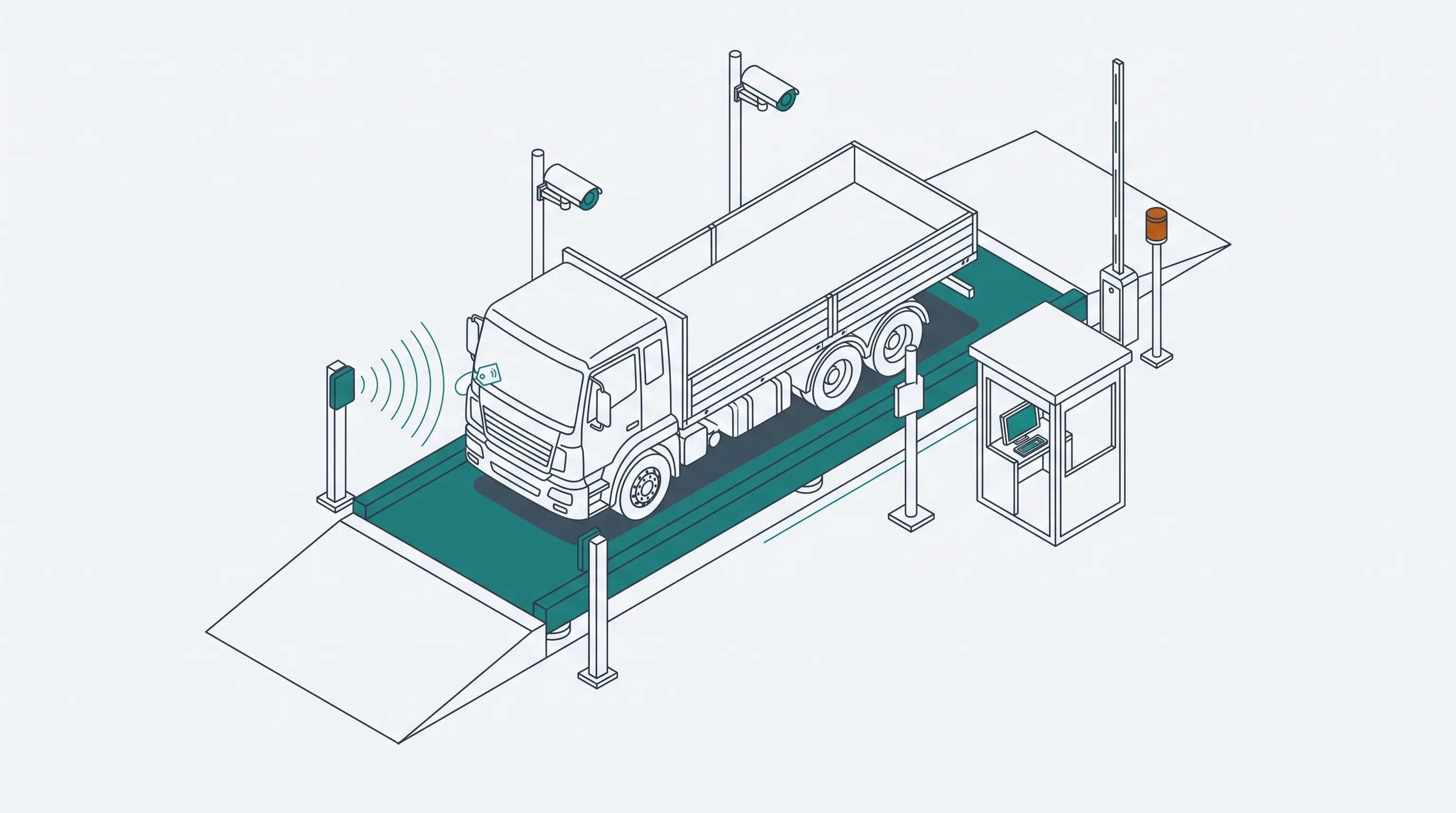
Plenty of plants already run management software for production and for accounting, yet the stretch from a vehicle reaching the gate to material entering the line still runs on paper and on conversations. The result is no data for the very stage that decides how much the plant can take in: nobody knows how long a load takes, where the time goes, or why.
It is also the first stage an assessor asks about when checking traceability of incoming material, because it is where the whole data chain starts.
Nine modules
Each module stands on its own. Most sites start with the one that produces a measurable result soonest and widen from there.
- Suppliers and hauliers book ahead, and slots are allocated against what the site can actually take
- An electronic queue in place of vehicles arriving and waiting
- Drivers notified by electronic pass, with no paperwork
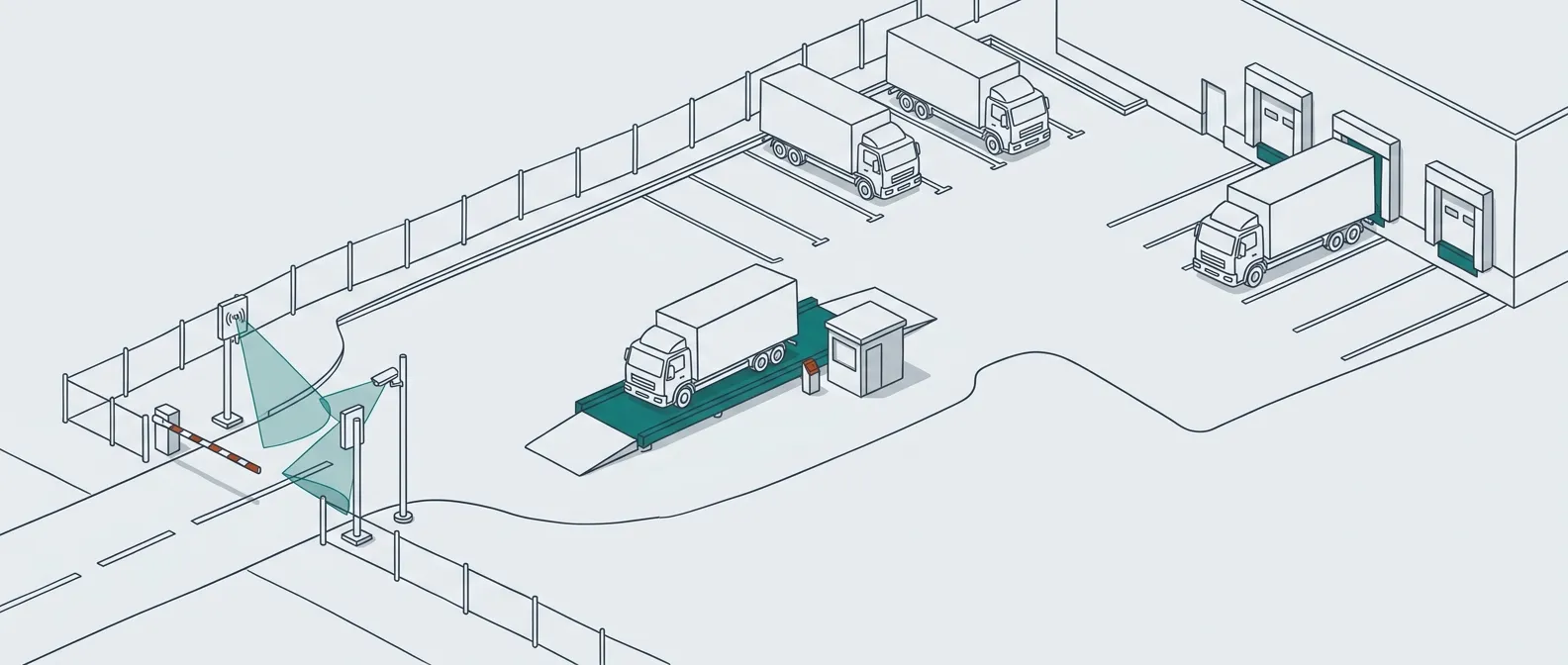
- Vehicle and driver verified at the entry gate and again on the way out
- Barrier, signal lights and display boards driven by the result of that check
- Photographs of the vehicle stored with the timestamp as evidence of the movement
- RFID on the open EPC Gen2 standard (ISO/IEC 18000-63) — no lock-in to one tag vendor
- Automatic plate recognition, checked against what was booked
- The form of identification follows the problem: a tag fixed to the vehicle, a tag issued per trip, or an electronic pass on the driver’s phone
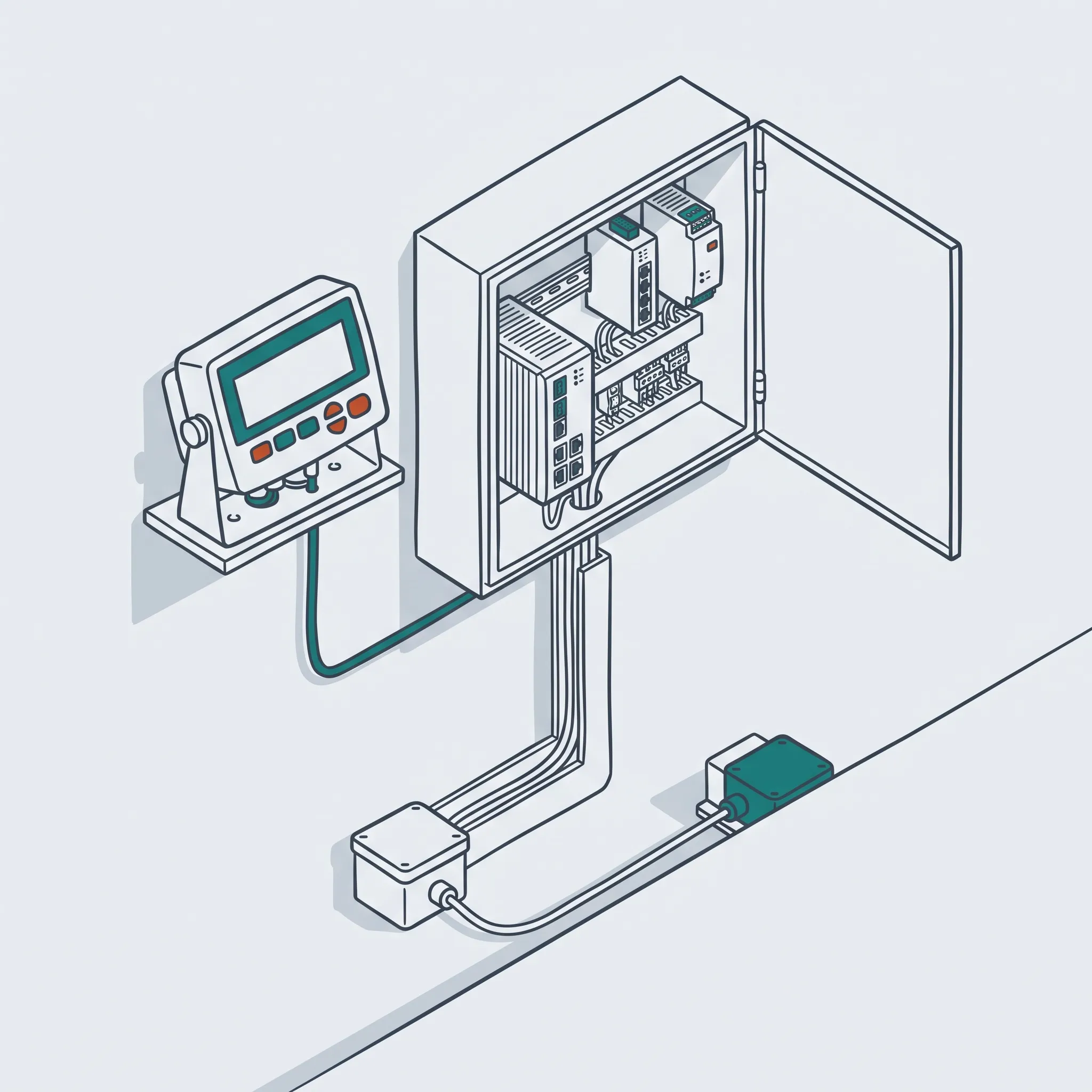
- Weights taken straight from your existing indicator over serial or network, never typed in
- A photograph of the vehicle at the moment of weighing stored with the ticket
- Weight checked against the paperwork within a tolerance you set, with an alert the moment it is exceeded
- Multiple weighings per trip supported for bulk and liquid loads
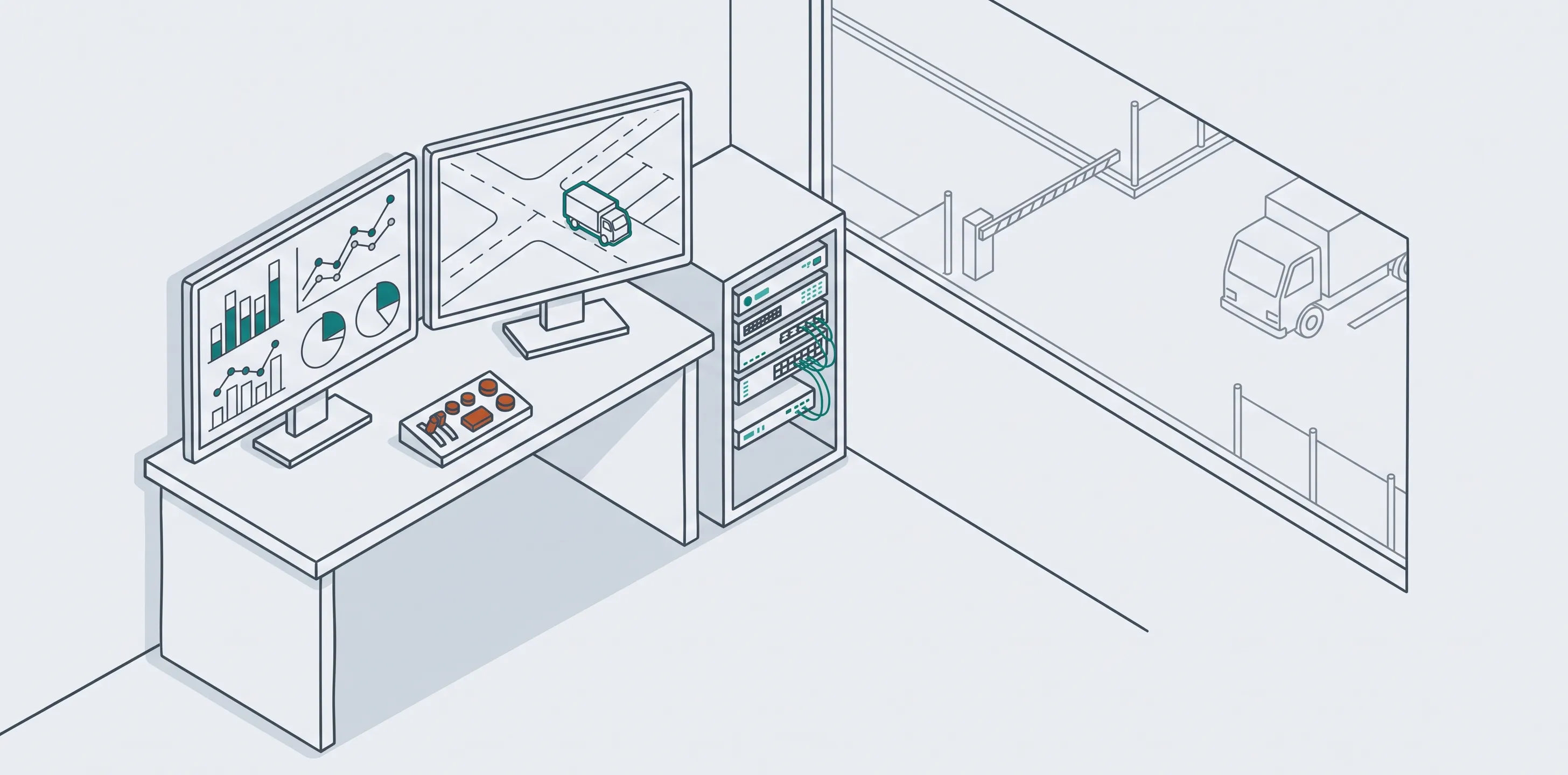
- A live map of the site: which vehicle is in which area, which dock is free
- Docks and processing order allocated by rules you configure
- Alerts when a vehicle stays longer than the time allowed
- Awaiting inspection, passed and failed states attached directly to the load
- Approval points and who may sign them off are configured by you, not fixed by us
- Inspection results stored with who carried them out and when
- Who did what and when, recorded automatically, with no way for a user to switch it off
- Records cannot be edited once created; every change adds a new record with its reason
- Role-based permissions, with data access logged
- Retention periods and who may view personal data configured to your own policy
- Figures by shift, by lane, by supplier and by haulier
- Raw data exported so your analysts can build their own reporting
- Feeds into the management reporting you already run
- Two-way exchange with your ERP through a web service interface
- Field equipment connected: weighing indicators, cameras, barriers, display boards, controllers
- Queued and re-sent when the connection drops; every message carries its own id, so re-sending never creates a duplicate
What this system is for, beyond the audit
Satisfying an assessor is the necessary part. What actually gets the investment approved is usually one of the seven points below.
These are US figures, from a market where detention is a separate line in the transport contract. In Vietnam it rarely appears on an invoice, but it is paid all the same — inside freight rates that already price in the risk of waiting, and in the extra vehicles hired to keep throughput up. We quote them so you have a reference point when estimating for your own site, not as a saving we are promising.
What becomes measurable
The first thing this system delivers is not automation. It is figures for a stage that had none. How much improves after that depends on where your plant is starting from — and these are the indicators it gets measured on.
What an assessor asks for
Most of what the standards below require comes down to the same thing: evidence that is complete, tied to a time and a person, impossible to alter after the fact, and producible within a set time. That is the part the system supplies.
| Standard or regulation | Relevant requirement | What the system supplies |
|---|---|---|
| ISO 9001 — quality management | Clause 8.5.2 identification and traceability; clause 7.1.5 control of monitoring and measuring resources | Electronic records tie each measurement to a load and a vehicle; calibration certificates for the weighing equipment are stored, with an alert as they fall due |
| Vietnamese Law on Metrology, group 2 measuring instruments | Vehicle scales are subject to periodic verification under Ministry of Science and Technology rules | The system reads a verified indicator without touching the measurement itself; verification records are stored and tickets are blocked once equipment is out of date |
| ISO 22000, HACCP and TCVN 12850:2019 | One step back — one step forward, with key data elements available | Every load entering the plant is tied to its supplier, vehicle, weight, inspection result and receiving point, and can be traced back within minutes |
| Decree 37/2026/ND-CP on traceability | An internal traceability system must be able to connect and share data through a programming interface | Incoming material data is normalised at the gate and can be exported in the structure that is asked for |
| ISO 28000 — supply chain security | Control and record of people and vehicles entering the site | Verification at the gate, photographs as evidence, and a complete movement log per vehicle |
| Decree 13/2023/ND-CP on personal data protection | Images and documents belonging to a driver are personal data | View permissions, access logging, retention periods and deletion, all set to the policy your organisation adopts |
Configured per plant
No two plants run the same way, so the system does not fix the order of operations. The points below are parameters, settled during the survey.
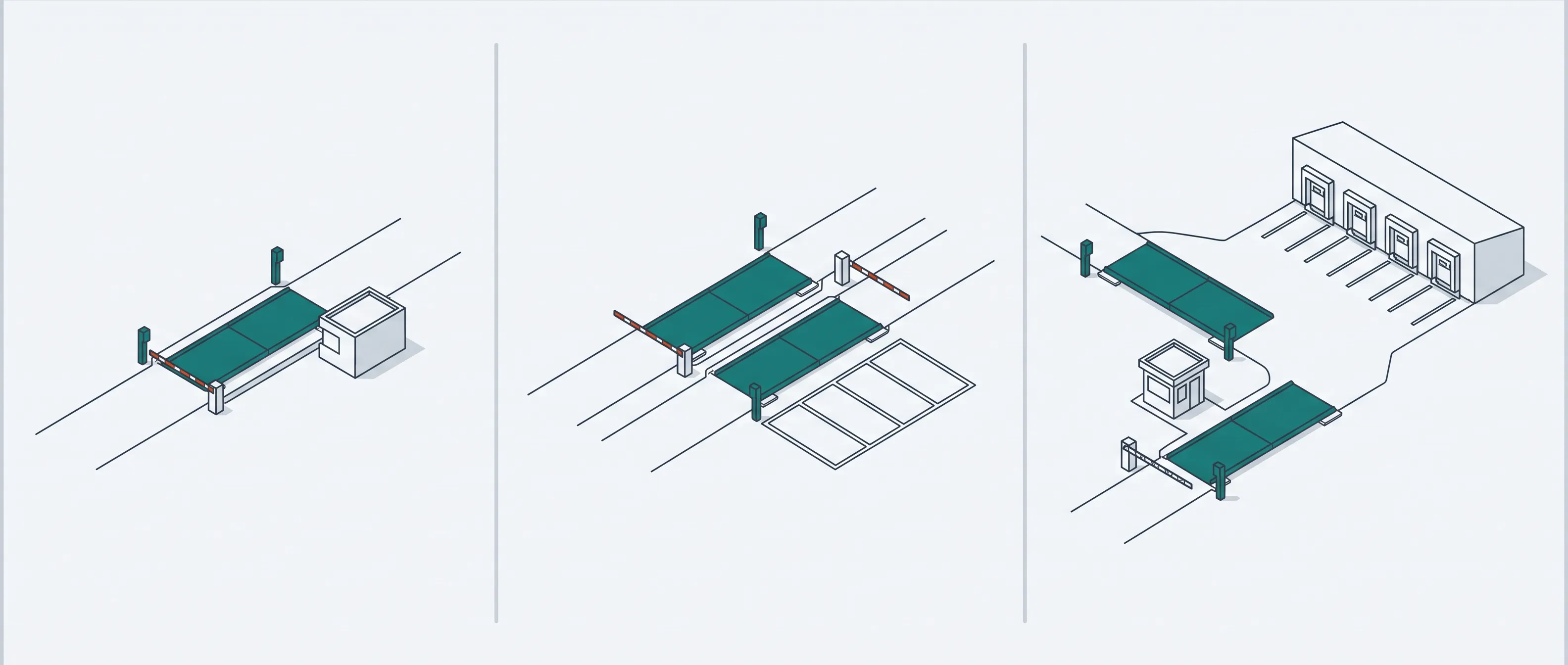
Site conditions to establish first
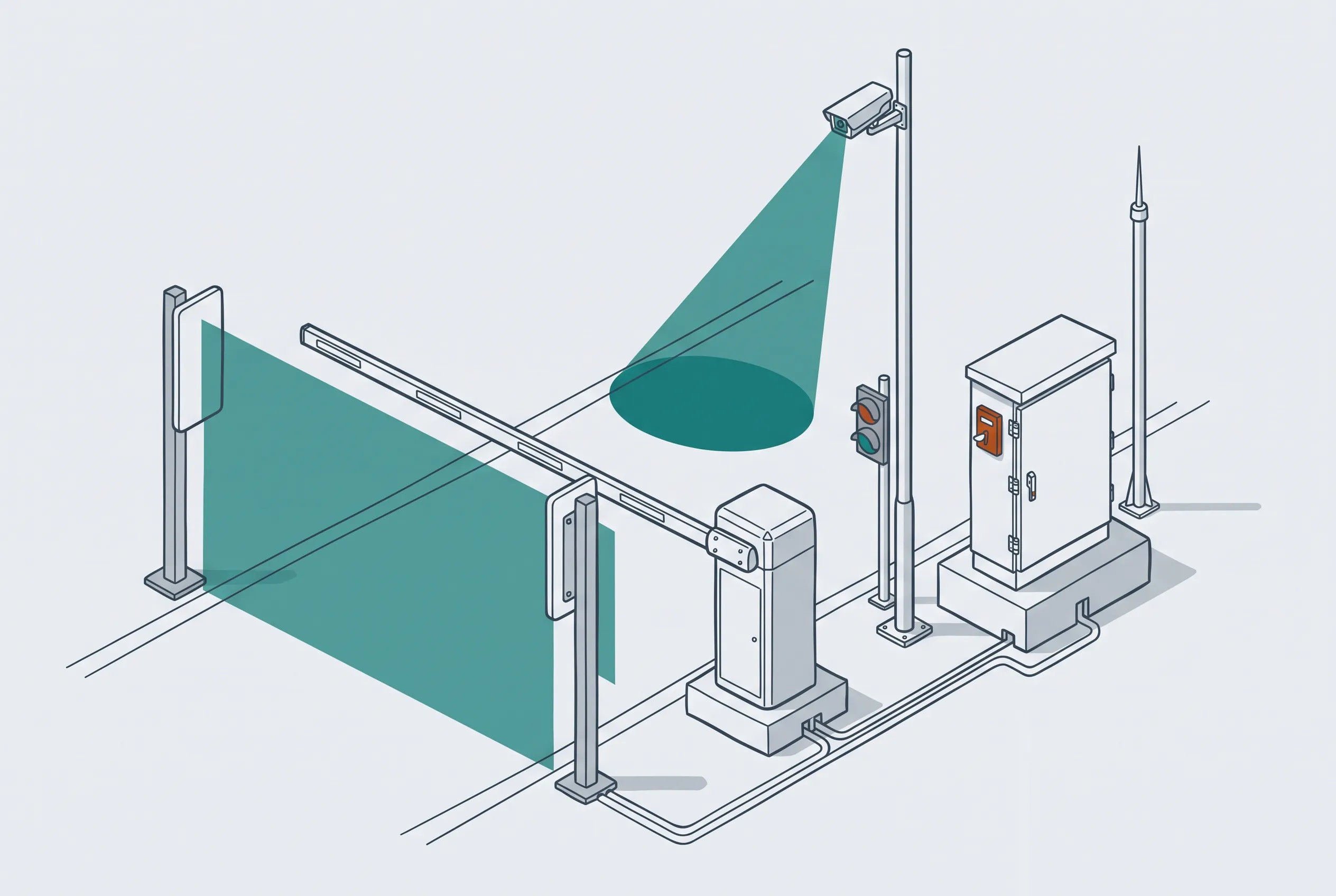
| Item | Why it has to be settled before the design is fixed |
|---|---|
| Network to each station | Every weighbridge, gate and office needs a stable wired connection. Network infrastructure is usually a job to be done first, not something that comes along with the system. |
| Power and lightning protection | Outdoor equipment needs backup power and surge protection. Gates and weighbridges take more lightning than anywhere else on site. |
| Where readers are mounted | Read range depends on mounting height, angle, what the vehicle body is made of and where the tag sits. It has to be tested in place. |
| Conditions for plate recognition | Enough light at night and a workable camera angle at both ends of the vehicle. |
| The existing indicator | The protocol and data port of the indicator in use have to be established. |
- Certification against the standards above is granted to an organisation after an assessment body has reviewed the whole management system. It is never granted to software. The software supplies the evidence and records an assessor asks for; the rest belongs to your process and your people.
- The system does not replace verification of the measuring instruments. Weight accuracy is determined by the deck and the verified indicator.
- Plate recognition is not absolute in every weather condition or on every state of plate. Every design includes a manual path that records who handled it.
- UHF tags are affected by metal and water. Read zones and tag placement have to be established by testing at your own site, not inferred from a manufacturer datasheet.
- The system records and reconciles data. It does not detect physical interference with weighing equipment — that is the province of verification and on-site supervision.
Questions we are asked
What is this kind of system called internationally?
Moving vehicles around the site is yard management, the gate part is gate automation, and the scale part is weighbridge automation. The large platforms sell these three as modules that clip together, and that is how we build it too: you take the modules you need instead of buying a suite and leaving most of it unused.
Our plant works differently from everyone else. What then?
That is the normal case, and it is why the system is built as modules rather than one fixed sequence. Order of steps, approval points, who has authority, tolerances and allocation rules are all configuration. Anything beyond what configuration covers is developed, and that is established during the survey.
What does this give us for a customer or certification audit?
What an assessor wants is evidence: records that are complete, traceable, impossible to alter after the fact, and quick to produce on request. That is exactly the part the system supplies — automatic activity logs, photographs as evidence, calibration records for the measuring equipment, and the ability to trace a batch of material back to the vehicle that brought it.
Do we have to replace the weighbridge we already have?
No. The system reads your existing indicator, provided it has a data port. What gets added is the identification equipment, cameras, signalling and the software.
What is the lowest-risk way to roll this out?
Start with one module that produces a measurable result immediately — usually the weighbridge module — accept it on real figures from your plant, and only then widen the scope. That way you can stop after the first stage if the result is not what you expected.
Where is the data held and who can see it?
On a server inside your plant. We keep no copy of your operating data, and the system does not need an internet connection to run. Access is by role, and personal data belonging to drivers has its own retention period and access log.
Related: batch-level warehouse control with QR codes — the modules that pick up once material is in the warehouse. How we work and the budget bands are on software built to requirement. Field equipment: industrial cameras and industrial computers.
Talk to us about your plant
Tell us where you are: how many gates and weighbridges, how many vehicles a day, what kind of goods, which indicator you run, what management system you already have, and which standards you have to maintain. An engineer will call you back to work out which module to do first and which budget band it falls into.
- A straight answer on feasibility during the call
- The budget range that matches your requirement
- An engineer who has built this kind of system before